
May 21, 2026
Curious what daily life in Jersey City Heights actually feels like right now? If you are trying to decide whether the neighborhood fits your lifestyle, the answer is less about buzzwords and more about how the area works day to day. The Heights offers a lower-rise, residential feel with a real main street, strong park access, and practical transit connections. Here’s a closer look at what living in Jersey City Heights today is really like.
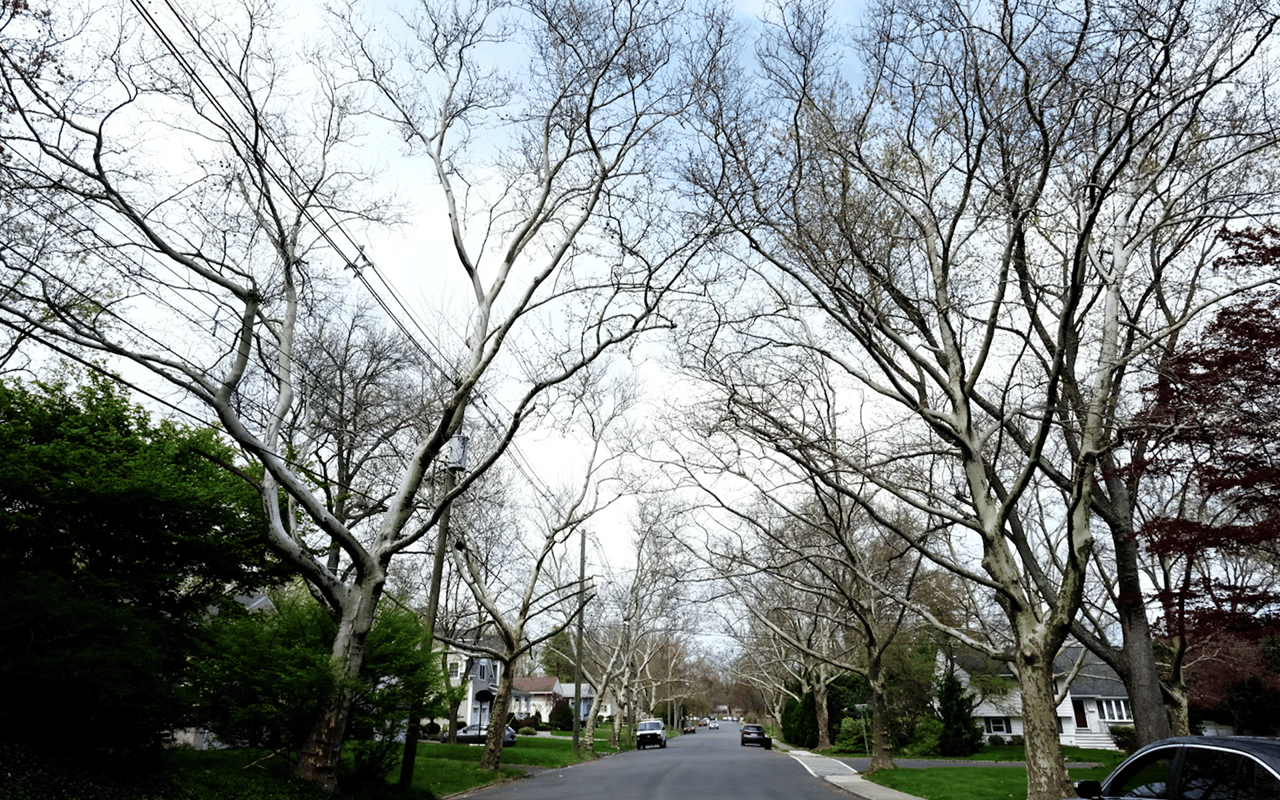
Jersey City Heights feels urban, but not in the same way as the taller waterfront districts. The neighborhood is shaped by a few strong north-south corridors, especially Palisade Avenue, Ogden Avenue, and Central Avenue, which help organize daily life and give the area a clear rhythm.
The local streetscape is one of the biggest reasons people connect with the Heights. Jersey City’s architectural survey describes Washington Village as the oldest neighborhood in Ward D and notes that Palisade and Ogden are key historic axes. Central Avenue is identified as Ward D’s historic main street, with storefronts, corner businesses, and mixed-use buildings that keep everyday needs close to home.
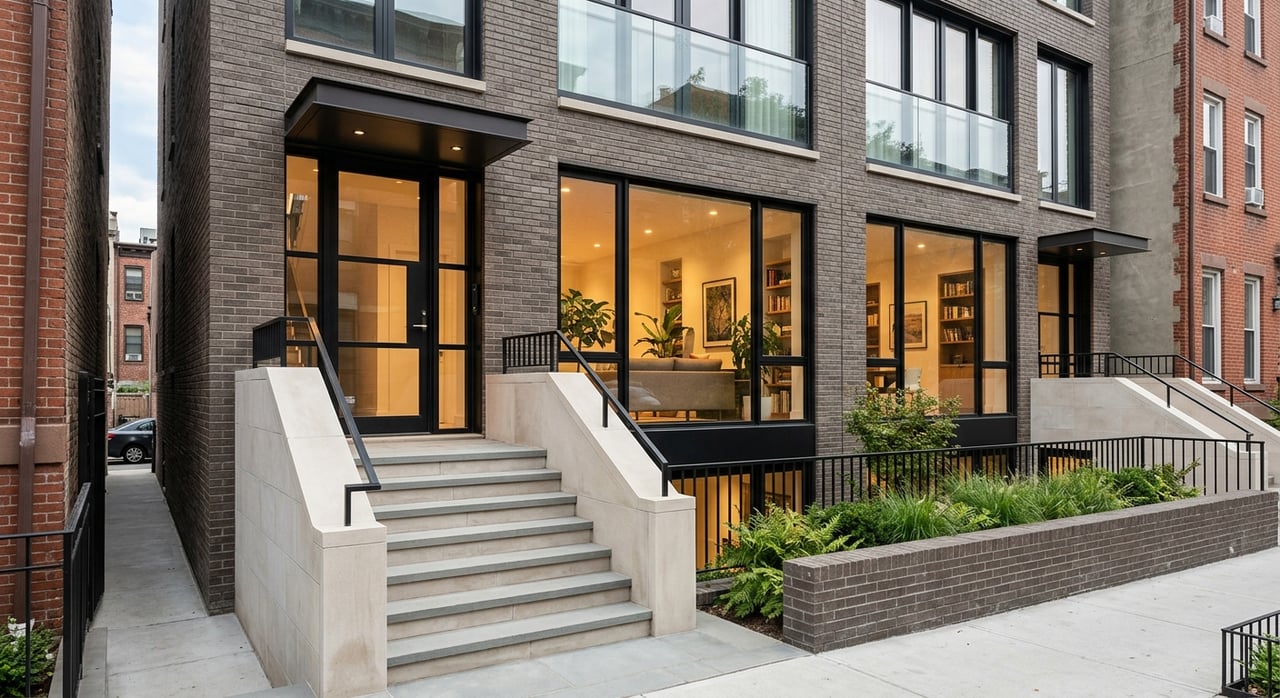
One of the Heights’ defining traits is its mix of housing types. Planning data for Ward D shows large numbers of single-family homes, along with duplexes, multifamily buildings, and mixed-use properties. In real life, that means you move through blocks that feel city-based but still remain low-rise and residential in scale.
The neighborhood also has visible architectural variety. The city survey points to older styles such as Italianate, Queen Anne, Renaissance Revival, and Art Deco, along with later infill like Bayonne Box houses in parts of Ward D. That range gives the Heights a layered look rather than a polished, one-note appearance.
There is also an adaptive-reuse side to the neighborhood. Former industrial buildings have been converted to residential use, including Cliff Lofts near Paterson Plank Road. For you as a buyer or renter, that can mean more variety in layout, building style, and overall character than you might expect.
If you are comparing the Heights with denser parts of Jersey City, the scale is one of the clearest differences. The city survey notes that many blocks still retain historic streetscapes, and a zoning board staff report describes preservation of the streetscape and low-rise character as a planning priority in the area.
That does not make the Heights suburban. It still feels unmistakably urban. But it often offers a quieter, more neighborhood-scale version of Jersey City living while keeping access to shopping, transit, and skyline views.
Open space is one of the Heights’ strongest lifestyle advantages. For a dense urban neighborhood, it has a notably strong collection of parks and public spaces that shape how residents spend weekends, exercise, and connect with the community.
Riverview-Fisk Park is one of the neighborhood’s signature spots. It sits along the edge of the Heights and offers wide views of the Hudson River and the Manhattan skyline. It is also tied to community events like a farmers market and the Riverview Jazz Festival, which gives the park a social role beyond just scenery.
Pershing Field Memorial Park is another major anchor in the neighborhood. The city describes it as a 13-acre park along Central Avenue with an indoor pool featuring a retractable roof, a skating rink, playground improvements, and year-round recreation programming.
For many residents, this is the kind of amenity that changes day-to-day living. Instead of relying only on small passive green spaces, you have access to a park with a fuller recreation setup built into neighborhood life.
Reservoir 3 has become one of the Heights’ most notable recent improvements. In 2024, the city reopened the historic reservoir after a preservation project that added a new bridge, wider ADA-compliant paths, lighting, fencing, view sheds, and increased public access across the 14-acre site.
That matters if you value outdoor space that feels both functional and distinctive. Reservoir 3 is not just another green patch. It is now a meaningful public asset in the neighborhood.
Leonard Gordon Park adds to the Heights’ park network as a long-established neighborhood green space. The city has identified it for accessibility and safety upgrades, including new ADA paths and ramps, lighting, trees, and green infrastructure.
Taken together, Riverview-Fisk Park, Pershing Field, Reservoir 3, and Leonard Gordon Park give the Heights a strong chain of open spaces. That is a big part of why the neighborhood often feels more livable than people expect.
Central Avenue is the commercial heart of the Heights. Jersey City’s pedestrian planning materials identify it as a key retail corridor that serves the neighborhood’s retail, dining, and recreational needs.
That setup shapes daily life in a practical way. Instead of depending on one large destination district, many errands and casual outings can center around one established main street. For residents, that usually means a more straightforward routine for picking up essentials, grabbing food, or staying local on a busy day.
The Heights has a distinct creative identity, but it is not built around a formal museum or gallery district. A Jersey City planning staff report says the Riverview Arts District Overlay was created to recognize the concentration of artist homes and studios in part of the Heights and to support the area as a viable arts enclave.
That artistic presence also shows up in neighborhood events and public space. Riverview-Fisk Park is associated with the Riverview Jazz Festival, and Jersey City’s broader cultural calendar includes events like the citywide Art & Studio Tour, with Heights locations included.
For you as a resident, that means the arts often feel woven into neighborhood life. They show up in parks, studios, and local events rather than existing as a separate destination zone.
The Heights is connected, but its transit story is a little different from neighborhoods with a PATH stop right in the middle of them. Jersey City’s transportation resources list PATH, Hudson-Bergen Light Rail, NJ Transit buses, ferries, Citi Bike, and Via JC as part of the citywide mobility network.
For Heights residents, one of the most relevant rail connections is the 9th Street/Congress Street Hudson-Bergen Light Rail station. NJ Transit says the station has elevator access to Jersey City Heights and nearby areas, which makes it a useful connection point for many commutes.
Bus service also plays a major role in everyday travel. NJ Transit schedules show Route 123 connecting the HBLR station, Palisade Avenue, Christ Hospital, and Port Authority, while Route 119 includes Journal Square and Central Avenue stops in Jersey City.
In practical terms, Heights living often means getting comfortable with a connector-based commute. Bus-to-rail and bus-to-Manhattan trips are a normal part of the neighborhood’s rhythm.
If you have a car or plan to keep one, parking is an important quality-of-life factor to consider. Jersey City’s Heights parking page places the neighborhood in Zone 16 and notes permit-based parking enforcement.
That does not mean car ownership is off the table. It means it is workable, but not frictionless. For many buyers comparing the Heights with downtown Jersey City, this tradeoff is one of the more useful lifestyle differences to understand upfront.
The best way to describe Jersey City Heights today is this: it is a residential neighborhood with a real main street, a broad mix of housing, visible historic layers, and a park system that stands out. It offers a calmer, lower-rise version of urban Jersey City without giving up the essentials that make city living appealing.
If you want a neighborhood where you can enjoy skyline views, use transit, stay connected to local retail, and still feel some breathing room in the built environment, the Heights has a lot to offer. It is not uniform, and that is part of the appeal. The neighborhood feels lived-in, layered, and practical in a way many buyers find refreshing.
If you are thinking about buying, selling, renting, or simply figuring out where you fit in Jersey City, working with a team that understands block-by-block differences can make the process much clearer. The Hudson Gold Team brings hyperlocal Jersey City insight and thoughtful guidance to help you make a smart move.

Hudson Gold has come to be one of New Jersey’s most promising real estate groups. With a commitment to providing top quality service and outstanding insight into the current market, the team continues to be in demand for prospective buyers and sellers. With experience spanning over twenty-five years, Hudson Gold is a team that operates with clarity and transparency, that has sharp negotiation tactics, and attentive client interaction. Using their expert knowledge of residential and commercial real estate, the team is prepared to seamlessly guide clients through their buying and selling experience. Nader Rezai, Levi Rezai, and Ozzy Rezai contribute equally to the full spectrum of Hudson Gold’s premium real estate services.
 browse the latest trends
On Neighborhoods, Transit, Parking, and Closing Costs.

Where Locals Celebrate Birthdays, Showers, and Celebrations.
How Jersey City Sellers Can Maximize Their Return Before Listing.
What Every Jersey City Homeowner Should Consider Before Buying One.
We are deeply committed to the satisfaction of our clientele and to assisting them in accomplishing their real estate objectives.