

May 28, 2026
If you have ever walked through Journal Square and felt like you were seeing two neighborhoods at once, you are not imagining it. One block can show you older low-rise buildings and historic homes, while the next puts new residential towers and major transit access front and center. If you are thinking about buying, selling, renting, or investing here, understanding that mix can help you make a smarter move. Let’s dive in.
Journal Square is built around one of the region’s most important transit hubs. The Journal Square PATH station and transportation center connect riders to multiple PATH lines, NJ Transit buses, private bus service, taxis, and parking.
According to the Port Authority of New York and New Jersey, about 56,000 commuters use the Journal Square PATH station daily. That level of daily traffic helps explain why this part of Jersey City has remained a major focus for redevelopment and why so much of its growth is tied to transit.
Jersey City’s Journal Square 2060 Redevelopment Plan covers about 211 acres, 57 city blocks, and roughly 1,600 parcels. The plan’s goal is to re-establish Journal Square as the city’s primary central business district through transit-oriented housing, office space, commercial uses, and public open space.
Journal Square is not a finished story. It is a neighborhood still changing in visible ways, shaped by both private development and public investment.
One example is the Loew’s Jersey Theatre restoration, a public-private project in the heart of Journal Square that is projected to be completed by the end of 2026. That kind of reinvestment matters because it shows the neighborhood’s identity is still being actively shaped, not simply preserved as-is.
The area was also designated a Transit Village in 2005, which helps explain why redevelopment has stayed concentrated around the transit core. In practical terms, that means location within Journal Square can have a big effect on the type of housing you see and the kind of lifestyle a property offers.
The official redevelopment plan makes it clear that Journal Square is not a blank slate. It describes a neighborhood with building types that range from detached two-family homes with front yards to 4- to 6-story apartment buildings, with office and commercial uses mixed in throughout the area.
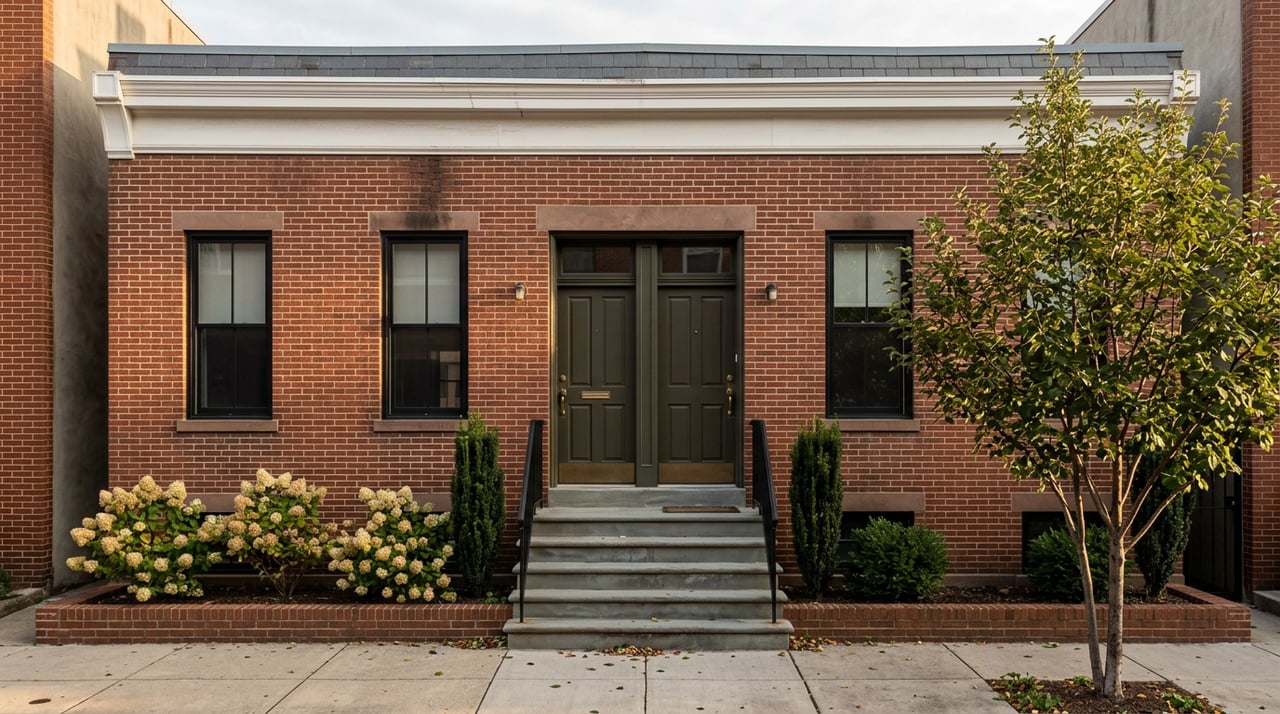
In preservation areas, the plan also references Victorian brick townhouse rows, a Classical Revival terrace, late-19th-century mixed-use buildings, and large early-20th-century apartment buildings. For you as a buyer or seller, that means Journal Square includes older housing with real architectural variety and block-by-block differences.
Older low-rise housing usually feels very different from tower living. These properties often come with more variation in layout, scale, and condition, and they typically offer a more building-specific experience rather than a standardized amenity package.
The redevelopment plan specifically calls out detached two-family homes in Journal Square. Jersey City’s broader housing plan also confirms that detached single-family homes are part of the citywide housing mix.
That does not mean Journal Square is primarily a one-family home market. It does mean that if you are looking for a more traditional residential format, there are still pockets where lower-scale housing remains part of the neighborhood fabric.
For buyers, this can open up options beyond a typical condo search. For sellers, it means your property may appeal to people looking for space, flexibility, or a different ownership style than a larger building can offer.
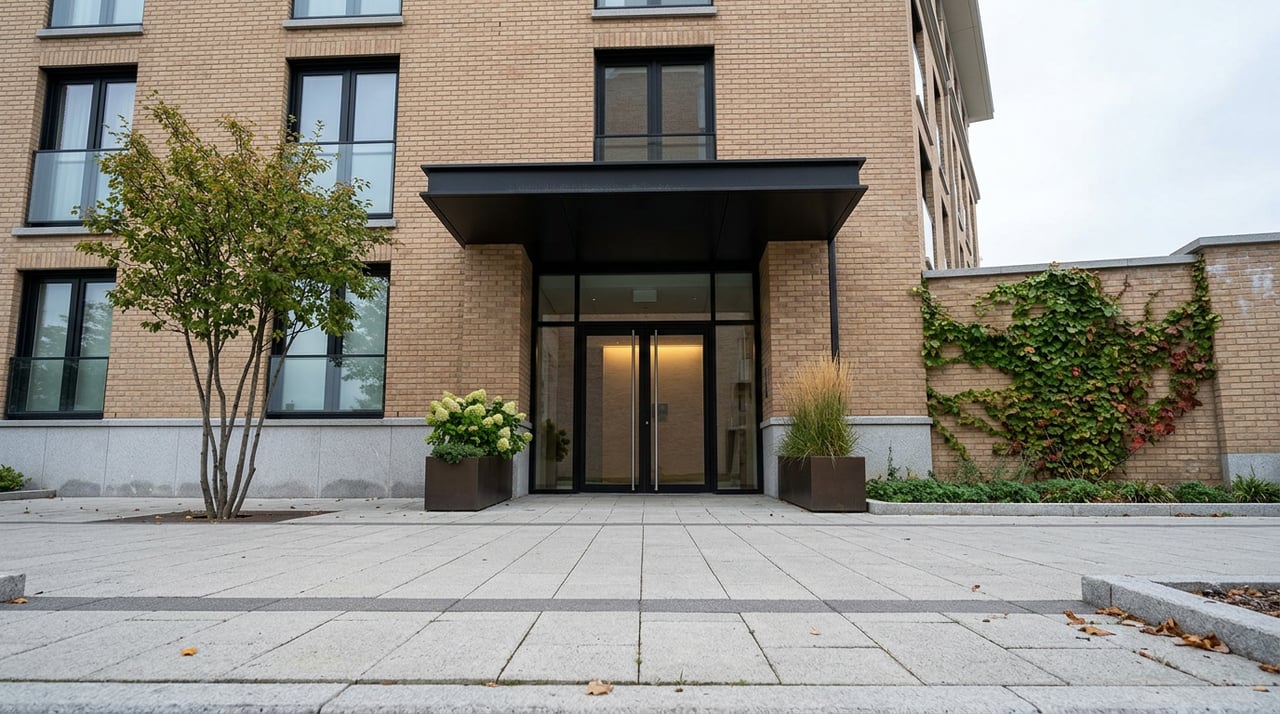
The newer side of Journal Square is defined by transit-adjacent, mixed-use residential towers. These buildings have helped reshape the area’s skyline and broaden the housing choices available near the PATH station.
A leading example is Journal Squared, a three-tower development directly connected into PATH. According to Handel Architects, the project includes 1,840 rental apartments, ground-floor retail, a new pedestrian plaza, and more than 100,000 square feet of amenities.
Another example is 3 Journal Square, a 13-story, 240-unit residential tower completed in 2017 across from the PATH station. It includes studio, one-, two-, and three-bedroom residences, showing that Journal Square’s high-rise market is not one-size-fits-all.
If you are comparing a historic low-rise property to a newer tower, the decision usually comes down to priorities. The housing types may sit in the same transit shed, but they can deliver very different ownership and living experiences.
Older low-rise homes and apartments often offer more variation in layout, more distinct building character, and a stronger connection to the surrounding block. Newer towers tend to offer a more predictable package, often with modern finishes, shared amenities, and a stronger emphasis on convenience.
That does not automatically make one better than the other. It simply means Journal Square is a neighborhood where your best fit depends on how you balance location, building style, monthly costs, maintenance expectations, and day-to-day lifestyle.
Current neighborhood trackers place Journal Square in a broad value band from the mid-$500,000s to about $600,000 for all home types, depending on timing and methodology. Zillow reported an average home value of $520,446 as of April 30, 2026. Redfin reported a $599,500 median sale price in March 2026, while Realtor.com listed a $574,500 median home sale price.
Because each platform uses a different method, the safest takeaway is not one exact number. It is that Journal Square generally sits in a price range where buyers should compare building type, condition, and location carefully instead of relying on neighborhood averages alone.
For sellers, this also matters. In a mixed housing market like Journal Square, pricing a renovated low-rise condo, a two-family property, and a newer tower unit the same way would miss what buyers are actually comparing.
The current market reads as roughly balanced to somewhat competitive, rather than overheated. Redfin reported that homes were taking about 89 days to sell with an average of one offer, while Realtor.com reported a median 64 days on market and said homes were selling for about asking in late 2025.
That is useful context whether you are buying or selling. Buyers may have room to compare options and move thoughtfully, while sellers still need strong presentation and realistic pricing to stand out.
This is especially true in Journal Square because older low-rise properties are often competing, directly or indirectly, with newer buildings that offer fresh finishes and amenities. The product difference is real, and your strategy should reflect it.
Rental pricing in Journal Square can vary widely depending on the building. Realtor.com listed a median rental price of $2,500, but premium tower inventory can sit well above that level.
Journal Squared’s current availabilities show that range clearly. Studios of roughly 400 to 573 square feet are listed in the high-$2,000s, while three-bedroom homes around 1,158 to 1,422 square feet reach the mid-$6,000s, with one- and two-bedroom homes in between.
For renters, this means the neighborhood offers both broader market-rate options and higher-end tower living near transit. For landlords and small investors, it is a reminder that building type, amenity level, and exact location can influence where a property fits in the rental market.
If you are buying in Journal Square, product choice is the headline. The neighborhood gives you access to historic apartments, attached homes, multifamily-style properties, and newer high-rise residences within the same broader transit-oriented area.
As you compare options, it helps to focus on a few practical questions:
When a neighborhood offers this much variety, the best decision usually comes from matching the property type to your actual goals, not just your target price.
For sellers, Journal Square is a market where presentation and positioning matter. A property’s value is tied not just to square footage or bedroom count, but also to how it fits into the neighborhood’s split identity of historic low-rise stock and newer transit-oriented development.
For small investors, the city’s redevelopment framework is a major part of the story. The plan encourages high-density development near transit, reduced parking ratios, adaptive reuse of existing structures, and preservation of select historic buildings.
That supports a neighborhood where both value-add older properties and newer rental product can make sense, depending on your strategy. The bigger takeaway is that Journal Square’s long-term appeal is not only about being close to PATH. It is also about being in a part of Jersey City with ongoing physical reinvestment and a clear redevelopment vision.
Journal Square looks simple from a distance because the transit story is so obvious. Up close, it is much more nuanced. A pre-war apartment, a renovated two-family, and a newer tower unit may all sit within the same neighborhood, but they often attract different buyers, renters, and pricing expectations.
That is why local, building-level insight matters so much here. The right strategy depends on understanding not just Journal Square as a name, but how a specific block, building type, and property condition fit into today’s market.
If you are thinking about buying, selling, renting, or exploring property value in Journal Square, the right guidance can help you weigh historic character, new development, and market timing with more clarity. Connect with Hudson Gold Team for knowledgeable, locally grounded advice tailored to Jersey City.


Hudson Gold has come to be one of New Jersey’s most promising real estate groups. With a commitment to providing top quality service and outstanding insight into the current market, the team continues to be in demand for prospective buyers and sellers. With experience spanning over twenty-five years, Hudson Gold is a team that operates with clarity and transparency, that has sharp negotiation tactics, and attentive client interaction. Using their expert knowledge of residential and commercial real estate, the team is prepared to seamlessly guide clients through their buying and selling experience. Nader Rezai, Levi Rezai, and Ozzy Rezai contribute equally to the full spectrum of Hudson Gold’s premium real estate services.
 browse the latest trends

How Jersey City Sellers Can Maximize Their Return Before Listing.

What Every Jersey City Homeowner Should Consider Before Buying One.

We are deeply committed to the satisfaction of our clientele and to assisting them in accomplishing their real estate objectives.