By Hudson Gold Team
There is a particular pull to a historic home in Jersey City, where a brownstone facade or a wrought-iron stoop carries more than a century of stories. The city's historic districts sit at the heart of Historic Downtown, steps from the Hudson River and a short PATH ride from Manhattan. This guide will help you weigh what really matters when you set your sights on one of these homes. Owning a piece of that history is rewarding, and going in informed makes the whole journey smoother.
Key Takeaways
- Jersey City has four designated historic districts, each with its own architectural identity
- Historic homes offer period character that newer construction rarely matches
- Preservation guidelines can shape how you renovate a landmarked property
- Location perks like parks and the Hudson waterfront add lasting appeal
Getting to Know Jersey City's Historic Districts
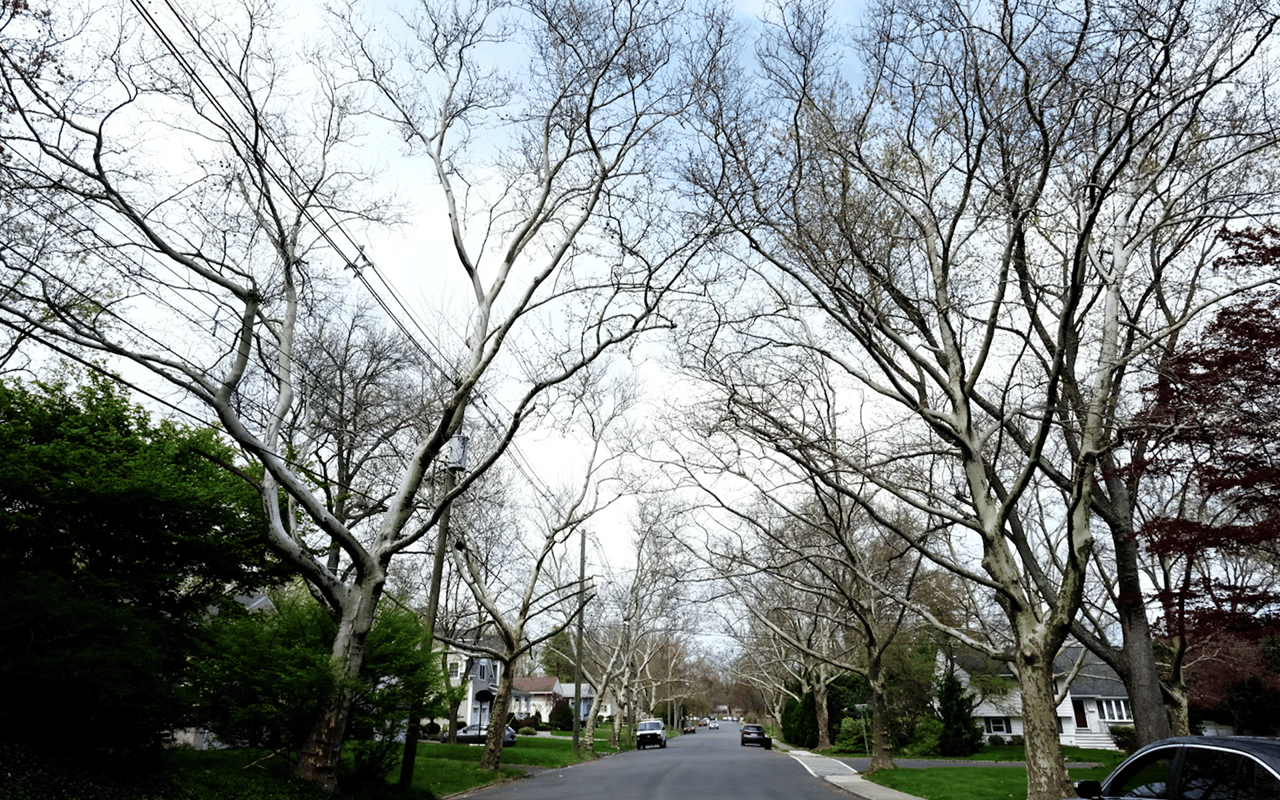
Most of Jersey City's protected historic architecture is concentrated in Historic Downtown, where tree-lined blocks and low-rise streetscapes have been preserved for decades. The city designated its first districts back in 1974, and several were later added to the State and National Registers of Historic Places. Knowing the distinct personality of each one helps you focus your search.
The Four Districts Worth Knowing
- Van Vorst Park: brownstone-lined streets radiating from a central park, with period landmarks like the Greek Revival Barrow Mansion on Wayne Street close by
- Hamilton Park: a Late Victorian district of roughly 42 acres built around a park that was landscaped in 1851 and still anchors the neighborhood today
- Paulus Hook: a Hudson River waterfront enclave of 19th-century townhomes with Washington Street as its spine and Manhattan roughly a mile across the water
- Harsimus Cove: a district bordered by the historic Harsimus Stem Embankment, a former elevated rail line that community groups have worked to turn into parkland
The Appeal of a Historic Home's Character
The reason buyers fall for these homes rarely comes down to square footage. It is the detail work, the sense that a place was built by hand in another era and has held up ever since. That character is exactly what preservation efforts across Historic Downtown are designed to protect.
Period Features that Set These Homes Apart
- Original moldings, ceiling medallions, and hand-applied plaster detailing that are expensive and difficult to reproduce today
- High ceilings and tall windows typical of 19th-century row house design, which fill the main rooms with natural light
- Hardwood floors, exposed brick, and decorative fireplaces that survive from the original builds and give each home its warmth
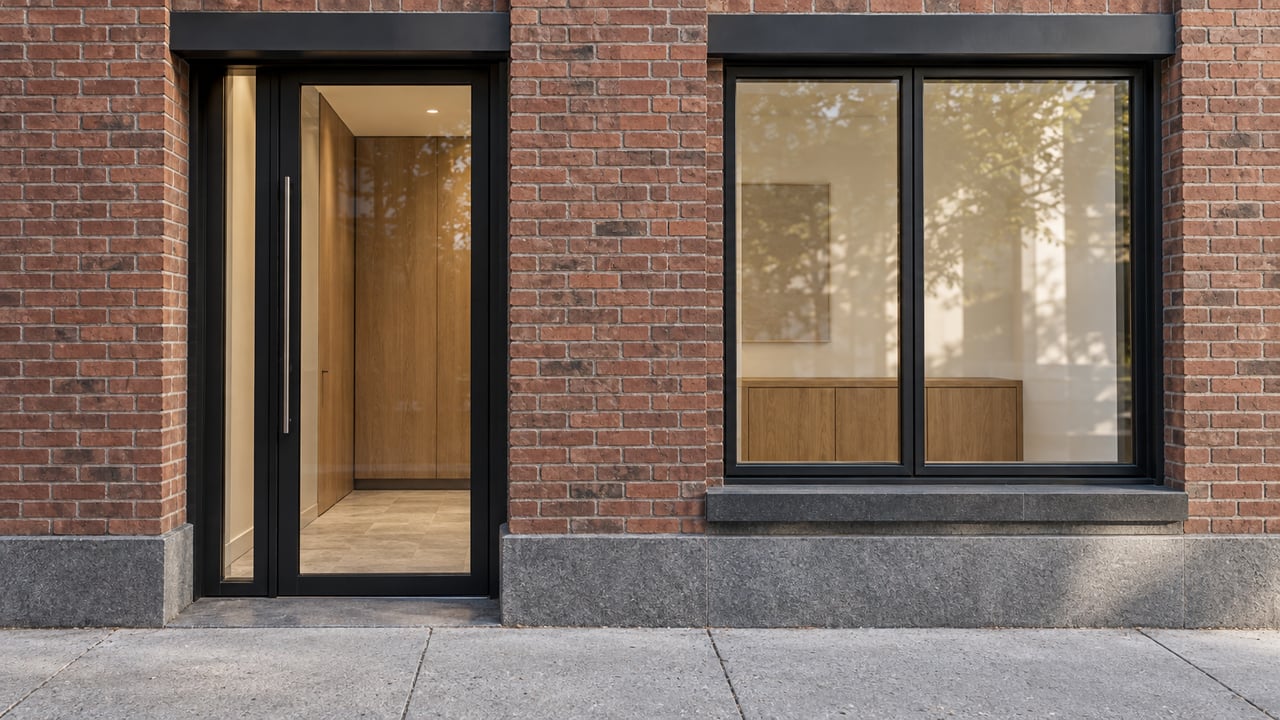
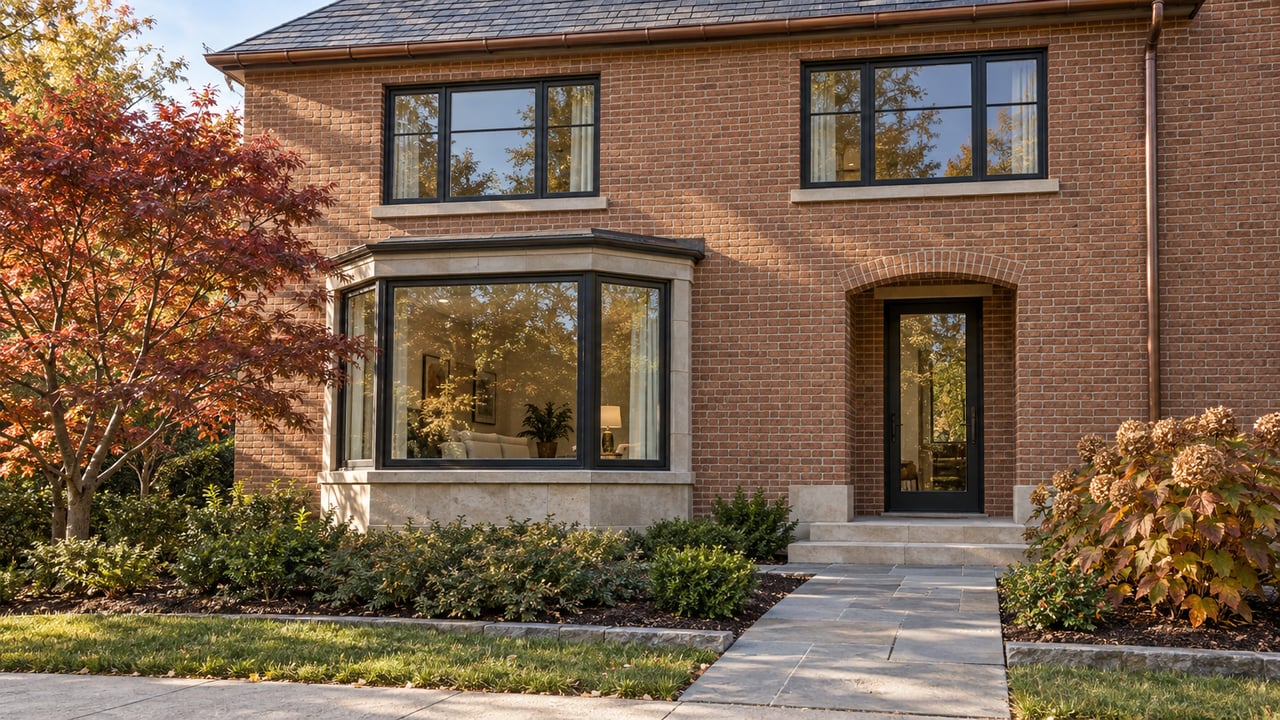
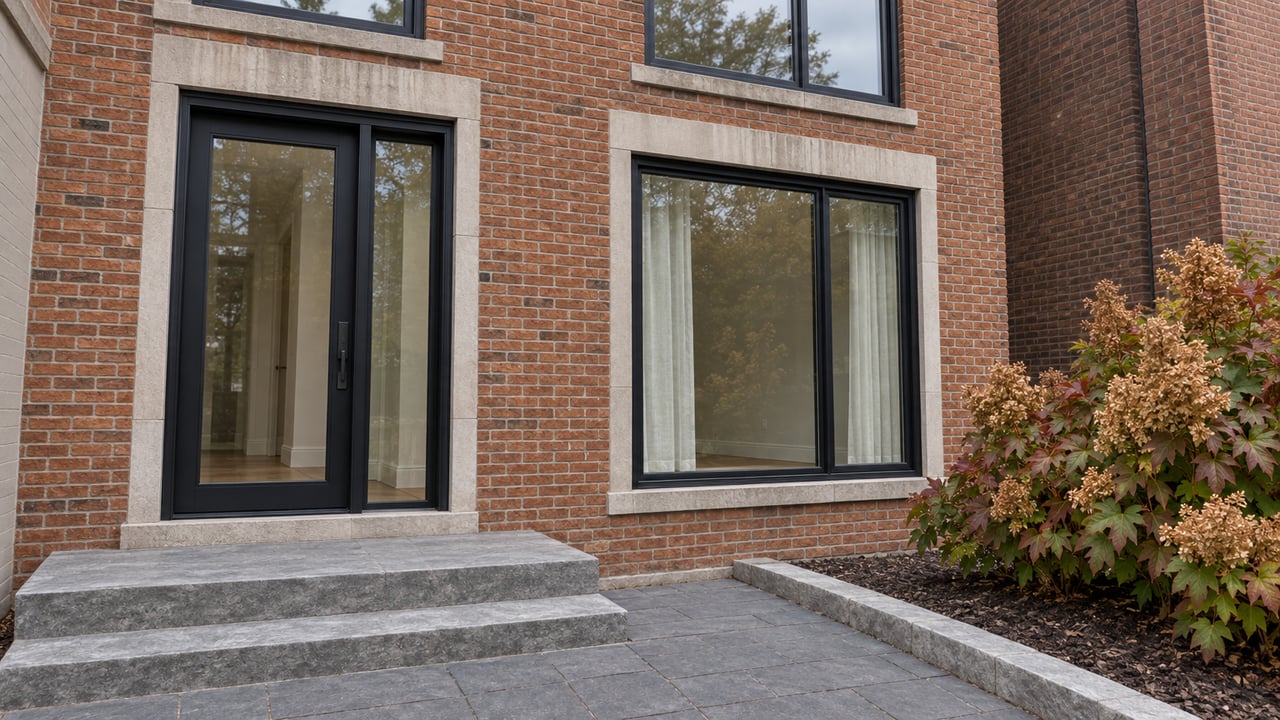
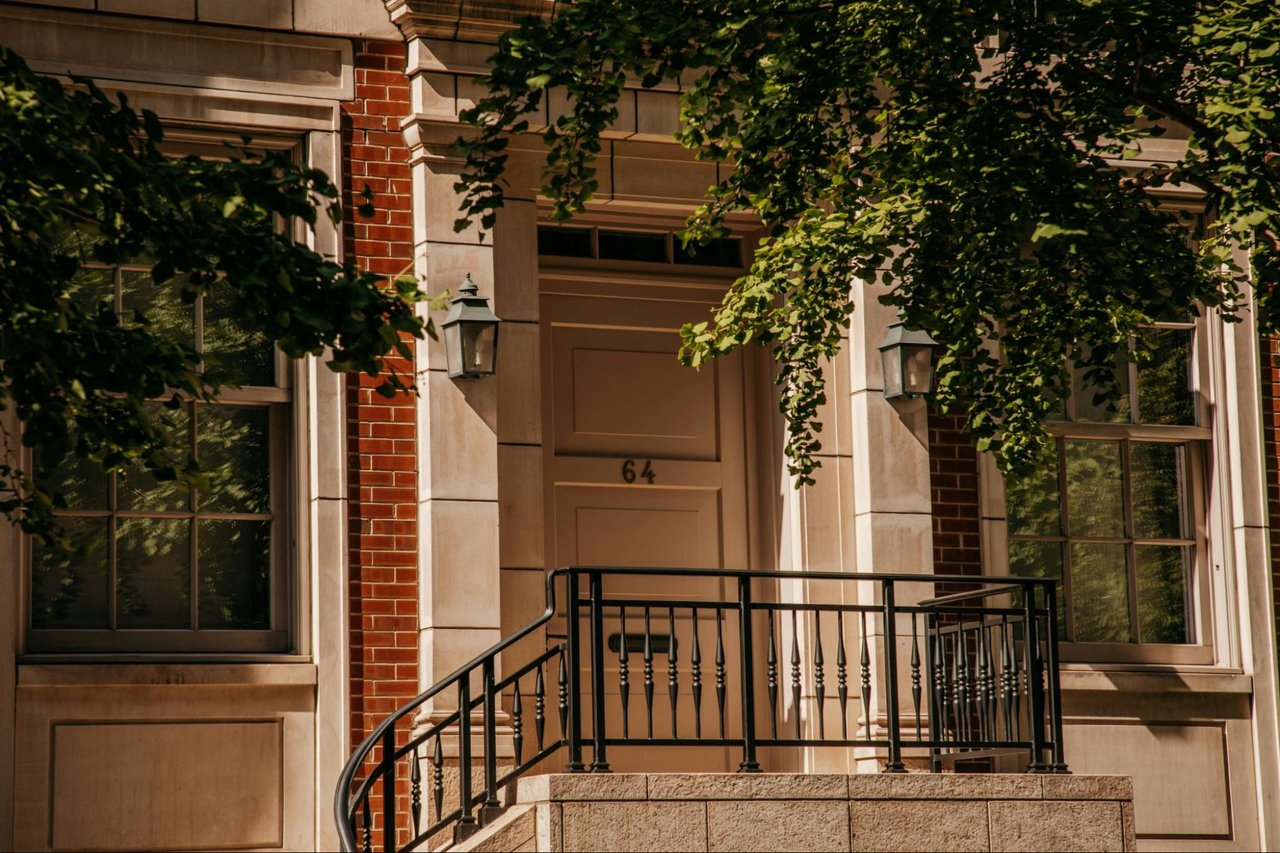
- Facade elements like stone stoops, carved cornices, and wrought-iron railings that define the streetscape of each block
Practical Realities of Buying in a Historic District
A landmarked home comes with a layer of stewardship that a standard condo does not. Because these districts fall under a historic preservation ordinance, exterior changes often need review, and that shapes how and when you can update a property. Understanding those rules before you buy keeps future plans realistic.
What to Factor in Before You Commit
- Exterior alterations within a district often require review and approval from the Historic Preservation Commission before work can begin
- Older systems like plumbing, wiring, and heating may need updating over time, so factor those upgrades into your long-term plans
- Renovation budgets should account for materials and craftsmanship that match the home's original period rather than off-the-shelf finishes
- A thorough inspection is essential for properties that are often well over a century old, since it reveals what needs attention now versus later
Location Perks Beyond the Front Door
Part of the value of these districts is everything just outside the door. Historic Downtown pairs its architecture with green space, riverfront access, and quick connections to the wider region. That combination is a big reason demand for these homes stays so steady.
Lifestyle Features that Come With the Neighborhood
- Van Vorst Park and Hamilton Park sit at the center of their districts, offering open green space and gathering spots year-round
- Proximity to the Hudson River waterfront, the wide-open grounds of Liberty State Park, and the landmark Colgate Clock
- PATH stations and ferry terminals that put Lower Manhattan just minutes away for work or a night out
- The restored Hudson and Manhattan Railroad Powerhouse anchoring the nearby Powerhouse Arts District, a hub for galleries and events
FAQs
What makes a home officially historic in Jersey City?
A home earns that status by sitting within one of the city's designated historic districts or by being individually landmarked. We can quickly tell you whether a property you are eyeing falls under those protections and what that means for you.
Can I still renovate a home in a historic district?
Yes, though exterior work usually needs review to keep changes in step with the district's character. We help buyers understand the guidelines up front so there are no surprises after closing.
Are historic homes harder to maintain than new construction?
They can ask a bit more of you, since older systems and materials need attention over time. We always recommend a detailed inspection so you know exactly what you are taking on before you buy.
Reach Out to the Hudson Gold Team Today
A historic home in Jersey City is a rare thing to own, and finding the right one takes someone who knows these districts inside and out. At the Hudson Gold Team, we help buyers navigate everything from brownstones in Van Vorst Park to townhomes in Paulus Hook.
If you are ready to explore a charming home in one of Jersey City's historic districts, reach out to the
Hudson Gold Team. We would love to help you find a place with character to match its address.


 browse the latest trends